The 2026 Home Affordability Crisis: How Buyers Are Changing Their Property Strategies
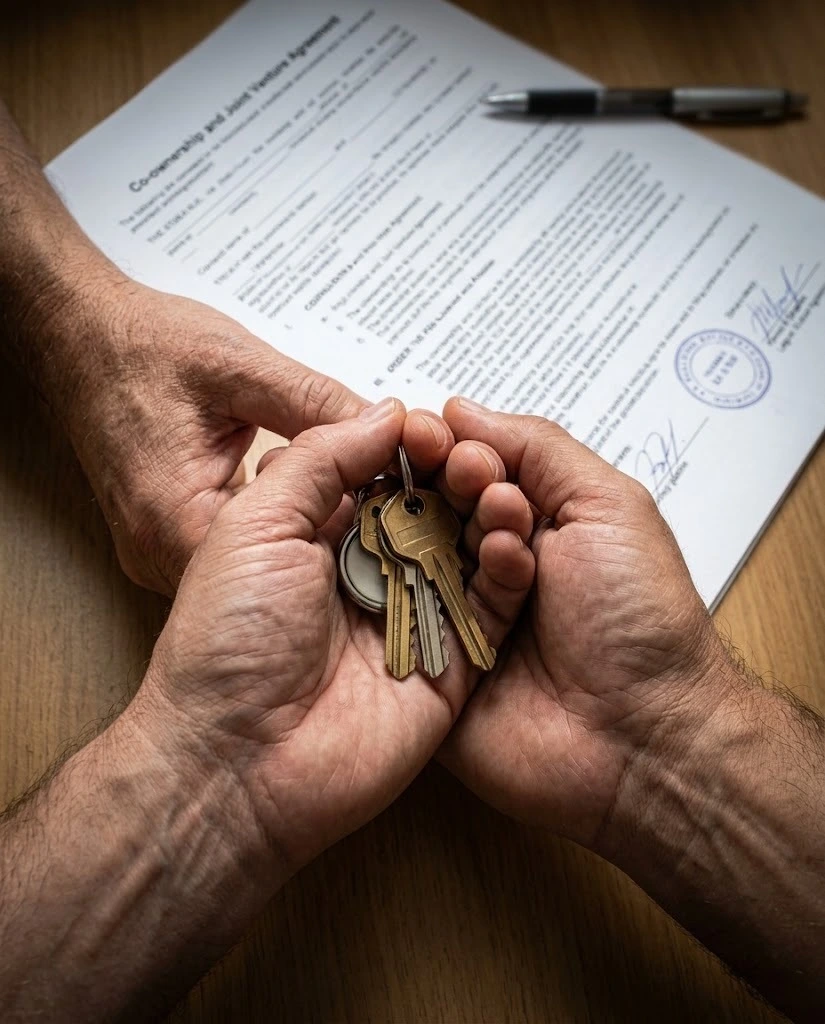
The Scene
You are completely priced out of the Melbourne market on a single income.
You and your best friend come up with a brilliant plan: combine your savings, secure a joint mortgage, and buy a three-bedroom townhouse in the middle-ring suburbs together.
You split the deposit 50/50 and sign the contract. It feels like a massive win.
Eighteen months later, your friend loses their job and stops paying their half of the mortgage. The bank doesn’t care about your private arrangement—they hold both of you equally liable for the entire debt. You want to sell the house to clear the debt, but your friend refuses to sign the paperwork.
Because you didn’t set up a legal framework before buying, you are trapped, facing foreclosure, and your credit rating is destroyed.
Welcome to the 2026 home affordability crisis. Desperate to escape the brutal rental market, Victorians are using highly creative strategies to get their foot on the property ladder.
But these new buying strategies are loaded with complex legal landmines. Here is how buyers are changing their tactics in 2026, and the hidden legal traps they are walking into.
1. The “Co-Ownership” Boom (Buying with Friends)
With borrowing capacities severely restricted by high interest rates, “property partnering” with siblings, friends, or even coworkers is surging.
The Legal Danger: Most co-buyers blindly sign the transfer of land as “Joint Tenants.” This is a massive mistake. If you buy as Joint Tenants and you pass away, your share of the house automatically goes to your friend, not your family.
Furthermore, buying without a legally binding Co-Ownership Agreement is financial suicide. If one person wants to sell, defaults on the mortgage, or wants to move their partner in, you need a legal contract dictating exactly how the dispute will be resolved and how the asset will be liquidated.
2. The “Rentvestor” Reality Check
Instead of buying a home to live in, buyers are purchasing investment properties in affordable regional Victoria (or interstate) while continuing to rent in their preferred Melbourne suburb.
The Legal Danger: Rentvesting is a brilliant wealth-building strategy, but it immediately disqualifies you from First Home Buyer incentives. To claim the Victorian First Home Owner Grant (FHOG) or the Stamp Duty Exemption, you must move into the property and live there continuously for 12 months.
If you claim a $600,000 stamp duty exemption and immediately rent the house out to tenants, the State Revenue Office (SRO) data-matching systems will catch you. They will claw back the taxes, demand the grant money returned, and hit you with severe penalty interest.
3. The “Bank of Mum and Dad” Title Trap
Parents are stepping in to bridge the deposit gap. To help secure the bank loan, parents are often going on the property title alongside their children as partial owners.
The Legal Danger: While this solves the immediate finance problem, it creates a massive tax bomb for the future. If the parents own 50% of the property and decide to transfer that share to the child in five years, the SRO will charge Stamp Duty on the market value of that 50% share. Additionally, because the home is not the parents’ principal place of residence, the ATO will hit the parents with a massive Capital Gains Tax (CGT) bill for the “deemed sale,” even if no money actually changed hands.
4. Settling for Micro-Lots and Heavy Strata
To stay under the $650,000 mark, buyers are settling for 200sqm “micro-lots” in the outer fringes or high-density apartments in the city.
The Legal Danger: You are sacrificing legal autonomy for affordability. Micro-lots are often heavily burdened by Restrictive Covenants and complex shared-easement agreements for driveways and retaining walls. You might be legally banned from painting your fence a certain color or parking a commercial vehicle at your own house.
For cheap apartments, the danger is the Owners Corporation. Buyers are snapping up “bargain” units only to inherit $10,000+ per year in strata levies to pay for historic combustible cladding or structural defect lawsuits.
The Verdict
The old rulebook of buying a standalone house on a quarter-acre block is dead. Adapting your strategy is the only way into the 2026 market, but trying to execute these creative workarounds without specialized legal advice will result in disastrous financial consequences.
Our Advice:
- Draft a Co-Ownership Agreement: If buying with a friend, we will set you up as “Tenants in Common” and draft an agreement that protects your exit strategy.
- Protect Your Grants: Tell us your living intentions before you sign. We will confirm exactly which SRO grants you legally qualify for so you don’t trigger a tax audit.
- Review the Strata/Covenants: If buying a micro-lot or apartment, we must review the Section 32 to ensure the restrictions and strata fees don’t ruin your affordability plan.
At Prime Legal Conveyancing, we structure your creative property purchases safely. We ensure your alternative path into the property market is legally bulletproof.
Using a new strategy to buy your home? Send us the contract before you sign.


